Not every slab needs a coating. A sound driveway or patio just needs to stop drinking brine. A penetrating sealer soaks in, blocks water and salt, and leaves the concrete looking exactly like concrete.
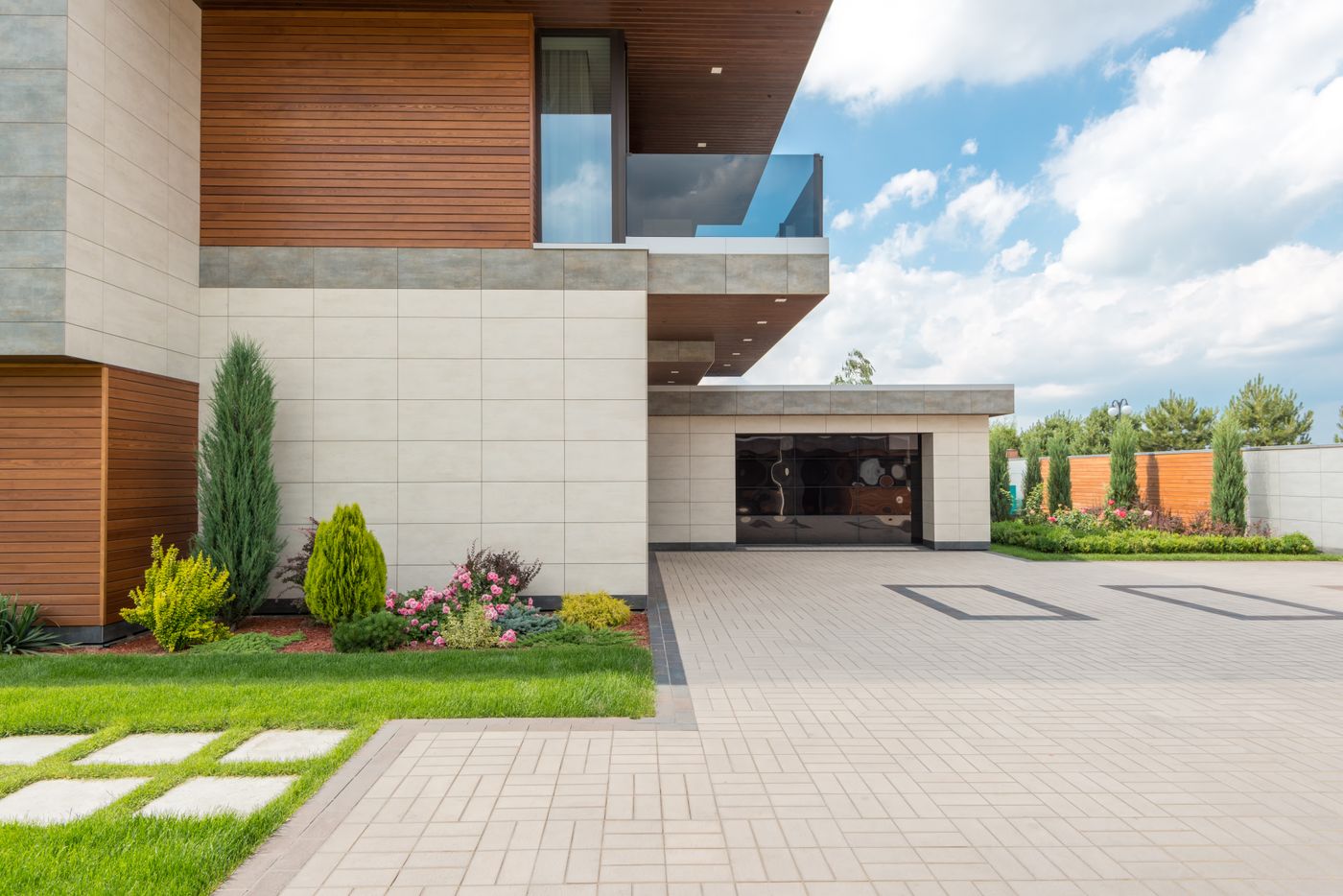
A driveway in Sandy or a patio in Layton spends five months a year soaked in magnesium chloride and freezing every night. Water gets into the concrete's pores, freezes, expands and pops the surface off a flake at a time — that's scaling, and once it starts it accelerates. A penetrating sealer stops it by lining the pores with a water-repellent silane/siloxane that lets vapor out but keeps liquid water and salt from getting in.
Unlike the film-forming acrylic 'wet look' sealers sold at hardware stores, a penetrating sealer doesn't sit on top, so it can't peel, whiten or turn slippery. It's the right product for sound exterior concrete, for pavers and for bare garage slabs you want to keep bare. For garage and shop floors that dust, we can also apply a lithium densifier that hardens the surface and stops the powdering.
We're honest about the limits: a sealer protects good concrete, it doesn't fix bad concrete. If your slab is already scaling or pitted, look at our overlay and coating options instead.
Blocks brine and water from entering the pores, which is what causes scaling and pop-outs.
No gloss, no color change, no film to peel. Concrete looks like concrete.
Vapor passes out of the slab, so no trapped moisture, no whitening.
Most driveways are sealed in a couple of hours and cost a fraction of a coating.
A densifier on a bare garage slab hardens the surface and ends the gray dust.
Reapply every three to seven years depending on exposure.
Every SwiftHand floor follows the same sequence. Skipping a step is how coatings fail, so we don't.
Measure the space, check the slab for moisture and old coatings, pick a finish. You get a written price — online in minutes or in person.
We grind the concrete with dust-controlled diamond grinders to open the pores. Never acid etching, which is why our floors don't peel.
Cracks, pits, spalls and control joints are filled with polyurea joint filler and mender, then ground flush. Moisture is tested before anything goes down.
A pigmented polyurea/polyaspartic base coat is rolled on and wets into the ground concrete for a mechanical bond.
Vinyl flake is broadcast to full rejection (or metallic, quartz or solid color applied), then scraped smooth once set.
A clear polyaspartic topcoat locks it all in — chemical, UV and hot-tire resistant. Walk on it that evening; park on it in about 48 hours.
Penetrating sealing usually runs $1–$2 per square foot including cleaning and preparation. Densifier for a garage slab is priced similarly. It's the least expensive thing we do and the one most likely to save you a driveway replacement.
Financing: 0% APR for up to 12 months and $0 down through Wisetack on approved credit — a $3,000 floor is $250 a month, interest-free. Financing details.
Representative photos of the systems on this page. Photos of SwiftHand projects are added as jobs complete.

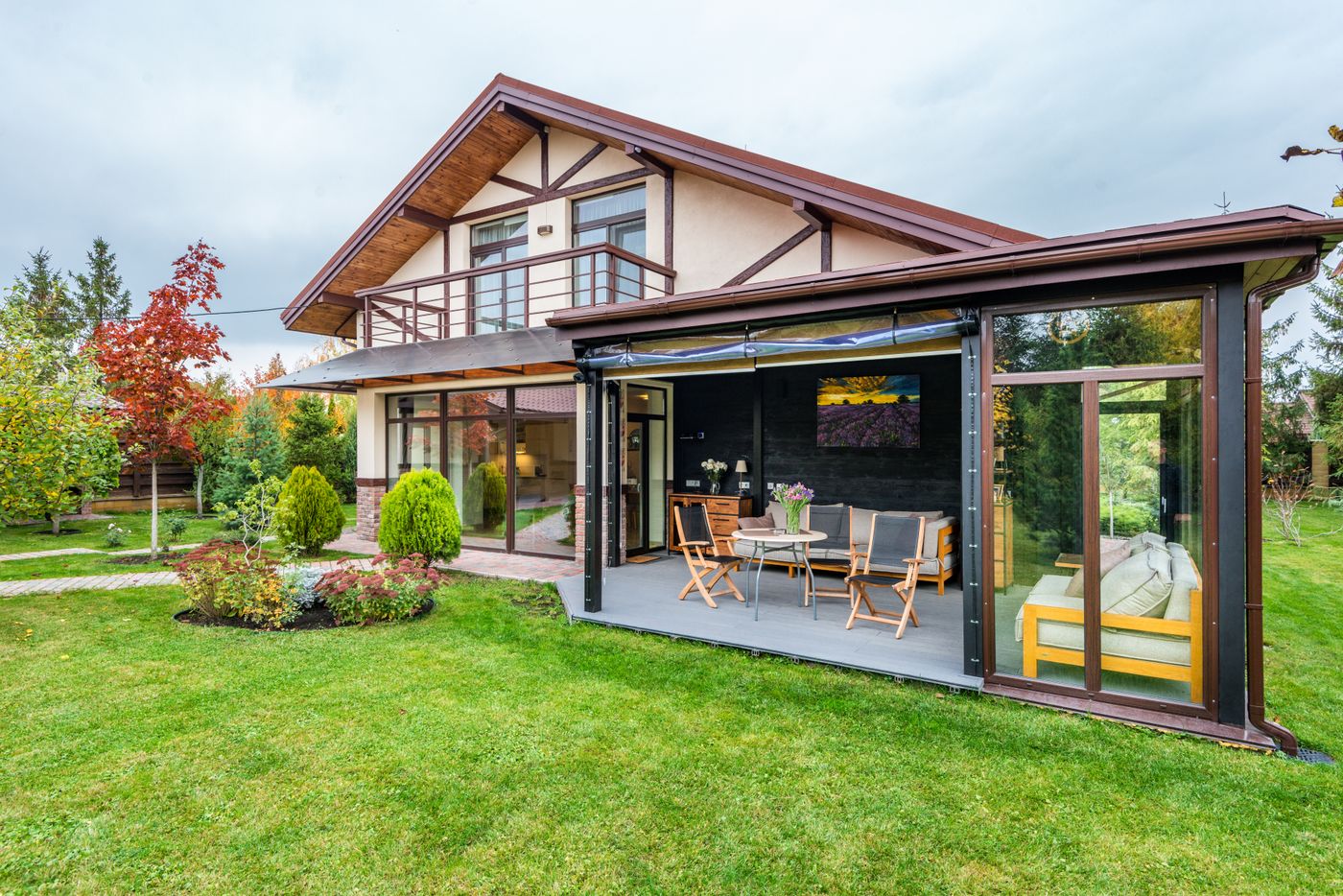


If the concrete is sound and you like how it looks, seal it. If it's damaged or you want it to look different, coat it. We're happy to tell you the cheaper option is the right one.
A penetrating sealer will not. If you want a slight enhancement or sheen we can discuss it, but we steer people away from film-forming sealers outdoors in Utah because they whiten and peel.
Every three to seven years depending on sun and salt exposure. A quick water-bead test tells you when.
Yes, after the concrete has cured about 28 days. Sealing new concrete before its first winter is the best money you'll spend on it.
Answer a few questions about the space — size, condition, the finish you like — and our instant quote tool builds a written price on the spot. It takes four to five minutes, not sixty seconds, because an accurate number beats a fast one. Prefer a person? Book a free consultation and we'll measure in person.
Get an instant online price in a few minutes, or book a free in-person consultation. No pressure, no sleazy sales pitch — just a written price.
